2026 Toyota Tundra vs 2026 GMC Sierra 1500
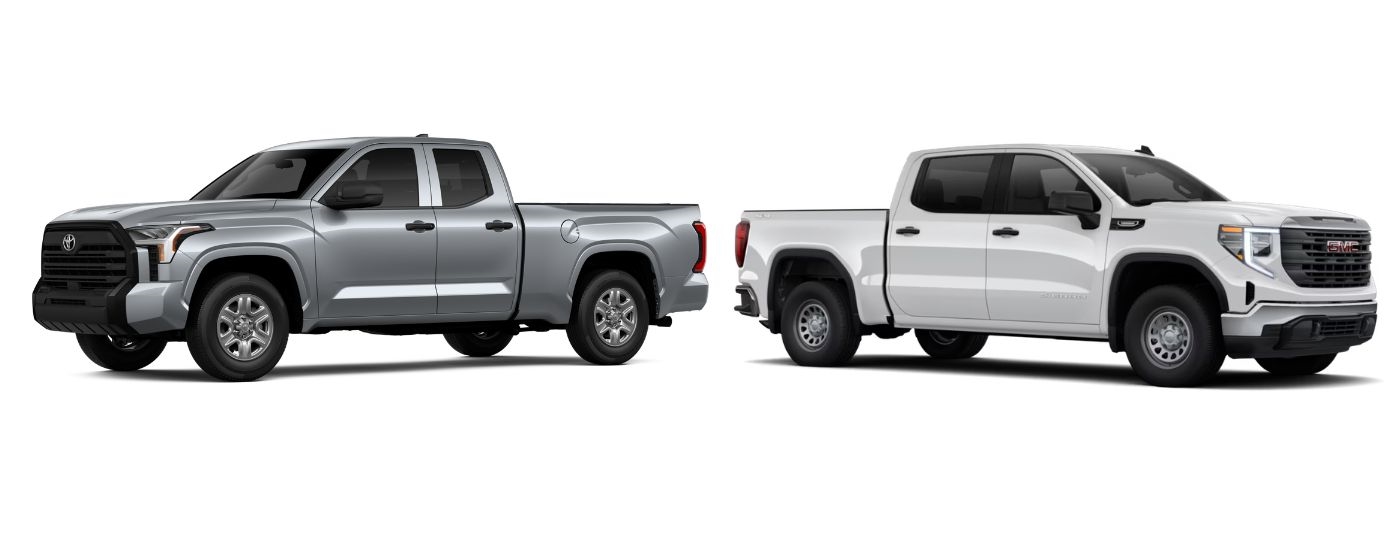
| 2026 Toyota Tundra | VS | 2026 GMC Sierra 1500 |
| $41,260 [a] | MSRP | $38,300 |
| 437 | Available Horsepower | 420 |
| 583 lb-ft | Available Torque | 495 lb-ft |
| 12,000 lbs | Standard Towing | 9,500 lbs |
When shopping for a full-size truck, it makes sense to compare the 2026 Toyota Tundra vs 2026 GMC Sierra 1500. After all, both trucks offer strong capability, modern technology, and a variety of trims to choose from. They also have their own distinct personalities, with the Tundra combining muscular power, a comfort-focused chassis, durable construction, and generous standard equipment.
Our team at Toyota of Bowling Green is well-versed in what the latest version of the Toyota Tundra brings to the table, and we often get asked which is the strongest choice overall when comparing it to the Sierra 1500. Most importantly, we take the time to get to know you and your driving routine so we can offer recommendations tailored to your needs.
Ready to learn more? Keep reading to see why we think the 2026 Toyota Tundra is a great fit for drivers in our area.
Power and Torque
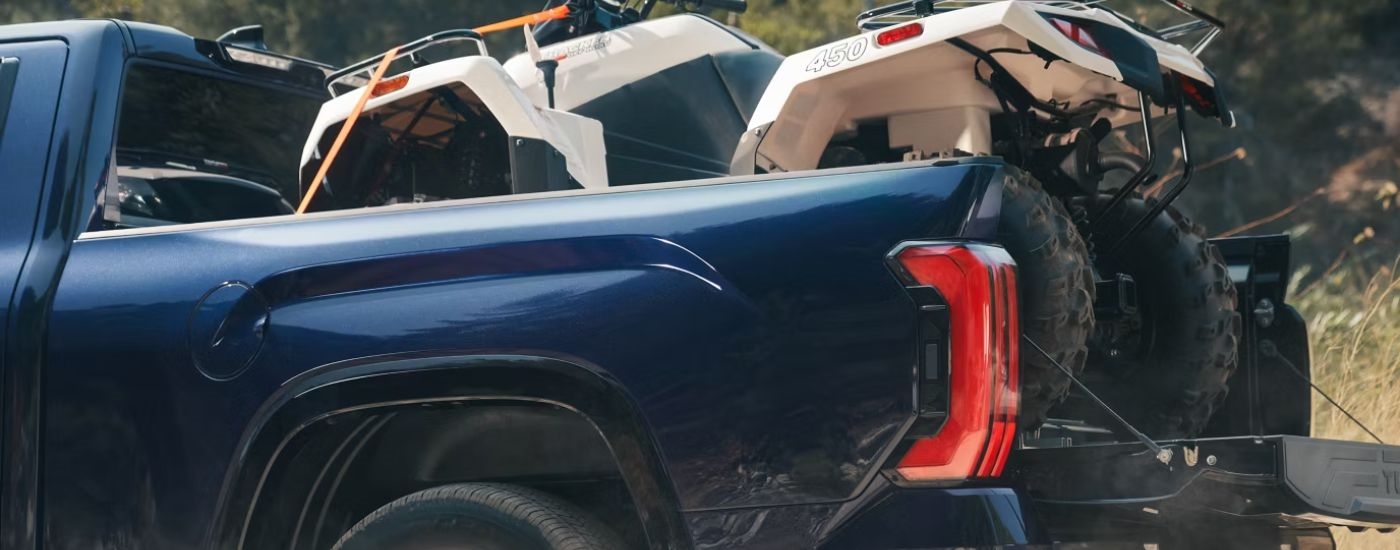
When comparing the 2026 Toyota Tundra to the 2026 GMC Sierra 1500, you will find that both offer multiple powertrain options. However, the Tundra leads the way when comparing each model's highest available output. Its available i-FORCE MAX engine pairs a twin-turbocharged V6 with an electric motor and a 10-speed automatic transmission. Together, the system produces up to 437 hp and 583 lb-ft of torque, with peak torque arriving at 2,400 RPM.
The GMC Sierra 1500, on the other hand, offers a selection of conventional engines, including the TurboMax four-cylinder, two V8 choices, and a Duramax diesel. However, its maximum available horsepower is less than that of the Tundra at 420, with a maximum available torque of only 495 lb-ft. What's more is that those maximums are only available on separate powertrain options, meaning that, unlike the Tundra, Sierra drivers looking for maximum power will need to choose whether to prioritize torque or horsepower.
The torque difference matters in a full-size pickup. Strong low-RPM output can support smooth starts, confident merging, grade climbing, and responsive acceleration. The electric motor in the Tundra's hybrid system contributes power through the transmission, supporting immediate response while retaining the familiar feel of a conventional automatic.
The Tundra comes standard with a non-hybrid powertrain option that is quite capable in its own right. The higher-output i-FORCE twin-turbo V6 produces 389 hp and 479 lb-ft of torque. By comparison, the Sierra's standard TurboMax engine produces 310 hp and 410 lb-ft of torque.
Ultimately, while the Sierra engine delivers solid standard torque, the Tundra powertrain offers a sizable horsepower advantage and additional torque. For drivers who prioritize stronger peak output, responsive acceleration, and abundant low-end torque, the Tundra comes out ahead.
Ride Comfort and Chassis Design
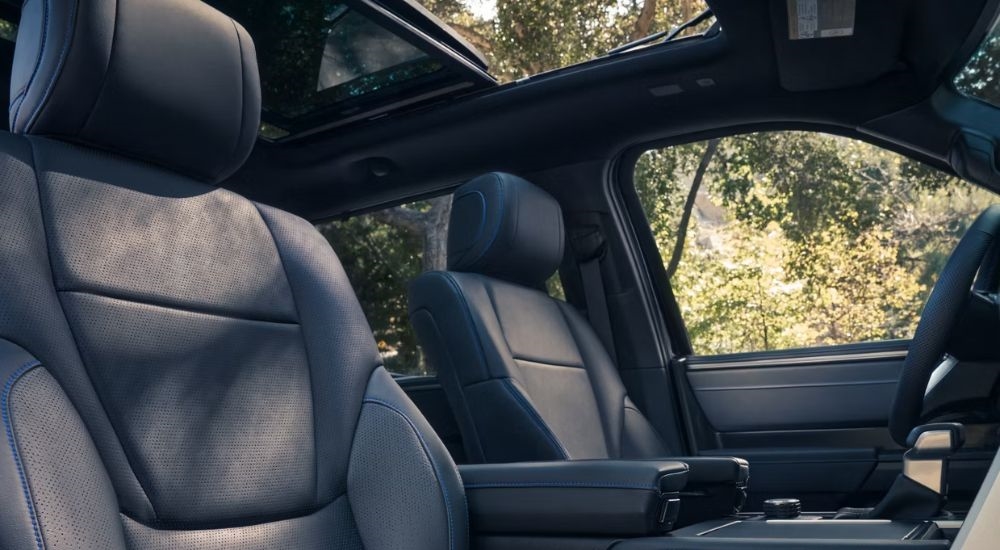
Pickup suspensions must support loads and maintain stability, but many owners also expect their trucks to handle commuting, errands, family transportation, and long trips. Toyota designed the Tundra's rear suspension with that broad use in mind.
Suspension
Every Tundra used a multi-link rear suspension with coil springs. Toyota states this setup supports ride comfort, towing stability, handling dynamics, and overall composure. A fully boxed high-strength steel frame adds rigidity, while the wide rear frame helps the truck remain stable when working.
Meanwhile, the Sierra offers a traditional leaf-spring rear suspension. While it is true that leaf springs remain a proven pickup design for many of today's leading models and perform well under load, they also place a stronger emphasis on traditional truck-duty simplicity.
It is worth noting that GMC does offer suspension upgrades on certain models. The Sierra's Denali premium suspension includes Adaptive Ride Control, which monitors road and vehicle inputs to adjust damping. This is a worthwhile feature, but the Tundra starts off with a coil-spring multi-link design throughout the lineup.
Comfort-Focused Design
Additionally, Toyota adds more comfort-focused hardware on upper trims. Limited and higher grades mount the cab to the frame with hydraulic mounts designed to help isolate occupants from vibration. This reinforces the Tundra's effort to combine truck strength with a calmer cabin and a more enjoyable ride.
The advantage is not that the Sierra cannot deliver a comfortable drive. Rather, the Tundra builds ride refinement into the truck's basic chassis architecture instead of reserving its most meaningful ride-control feature for a premium model. This distinction matters to shoppers who want a settled everyday truck without moving to the top of the trim range.
Wheel size, off-road packages, and cab configuration also affect ride quality. When comparing the underlying designs, however, the Toyota's coil-spring rear suspension gives it a stronger foundation for drivers who value comfort alongside capability.
Standard Driver-Assistance
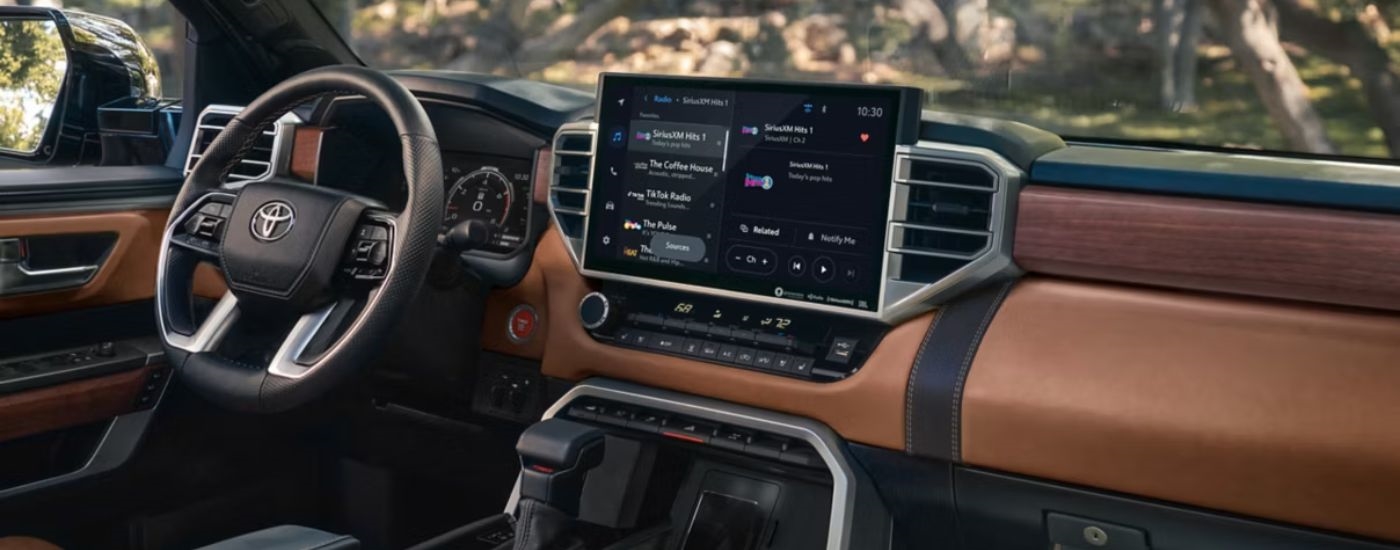
Today's driver-assist features can go a long way in reducing stress during commuting, highway travel, and heavy traffic. Both trucks provide helpful systems, but the Tundra has the advantage in how broadly Toyota makes its technology standard.
Every 2026 Tundra includes Toyota Safety Sense 2.5. The suite contains the following:
- Pre-Collision System With Pedestrian Detection
- Full-Speed Range Dynamic Radar Cruise Control
- Lane Departure Alert With Steering Assist
- Lane Tracing Assist
- Road Sign Assist
- Automatic High Beams
The Sierra 1500 includes GMC Pro Safety, giving it a useful foundation of collision-avoidance and driver-assist technology, as well. However, standard cruise control is the starting point, while advanced cruise control is saved for the optional Preferred Package and is only available for certain configurations.
The difference makes the Tundra a meaningful everyday advantage. Full-Speed Dynamic Radar Cruise Control can adjust the truck's speed to maintain a selected following gap, including use in slower traffic within speed limits. Lane Tracing Assist can provide steering support, while Road Sign Assist can display recognized signs in the driver information area.
GMC offers advanced technology of its own, including available Super Cruise on select high-end Sierra models. However, it is limited to a narrower, more expensive portion of the Sierra lineup, while the Tundra gives every shopper a comprehensive package of core driver aids.
Toyota's approach also makes trim selection easier. Buyers can choose a Tundra based on preferred capability, cabin features, appearance, or budget while knowing the main Tundra Safety Sense technologies are included every step of the way.
Everyday Utility and Ownership Values
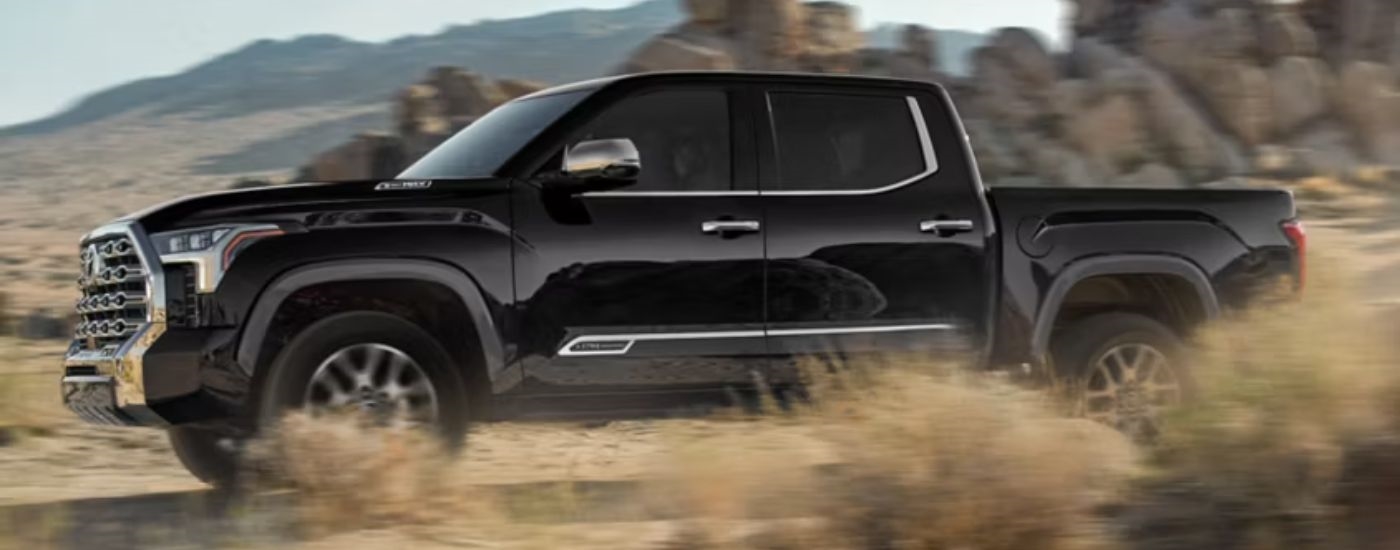
At the end of the day, the best choice for you is the one that offers streamlined utility that takes the stress out of everyday driving and weekend to-do lists. It's also about getting the most value out of your budget. With this in mind, you will quickly find that the Tundra stands out for its standard composite bed, distinctive CrewMax rear window, and ToyotaCare coverage.
Bed Options
First things first, Toyota equips every Tundra with a sheet-molded composite bed reinforced by aluminum cross members. The material is designed to resist dents, impact dings, and rust better than a traditional steel bed surface. Buyers can choose 5.5-foot, 6.5-foot, or eight-foot bed lengths depending on the cab and configuration.
GMC offers the CarbonPro carbon-fiber composite bed on select Sierra configurations. CarbonPro is a useful competitor feature, but it is an available upgrade rather than standard across the lineup. Tundra buyers receive composite-bed benefits without needing a specific premium trim or bed option.
Tailgate Functionality
The Tundra also includes a power-release tailgate on every model, with an available power-close function and knee-lift assist. GMC counters with its available six-function MultiPro tailgate, which provides impressive flexibility. However, the Tundra combines standard bed durability with convenient tailgate operation throughout the range, making it easier than ever to load and unload regardless of the trim you choose.
CrewMax
CrewMax models add another feature that the Sierra 1500 cannot directly match: a standard power vertical rear window that fully lowers into the cab wall. GMC offers a power-sliding rear window on applicable configurations, but only a smaller center section opens. The Tundra's full-width opening can improve airflow, simplify communication with people near the bed, and create a more open cabin feel overall.
ToyotaCare
Toyota further strengthens the ownership experience with ToyotaCare. Every new Tundra includes normal factory-scheduled maintenance and 24-hour roadside assistance for two years or 25,000 miles, whichever comes first. GMC covers the first maintenance visit, including an oil change, multipoint inspection, and four-tire rotation when completed within the first year, but additional routine service is not included under the standard benefit.

Why the 2026 Toyota Tundra Is the Stronger Overall Choice
When comparing the 2026 Toyota Tundra and the 2026 GMC Sierra 1500, you will find that the latter is a capable truck with notable strengths, including numerous engine choices, a flexible MultiPro tailgate, premium Denali trims, and available hands-free driving. However, the Tundra holds the advantage in the categories that shape performance, comfort, standard technology, durability, and ownership.
The available hybrid powertrain with an i-FORCE MAX engine produces more horsepower and torque than any Sierra 1500 powertrain, while the coil-spring multi-link rear suspension gives every Tundra a comfort-focused chassis. Additionally, Toyota includes more standard driver-assist features, as well as a standard composite bed, a fully lowering CrewMax rear window, and a two-year ToyotaCare plan that makes maintenance easier.
For shoppers who want a full-size pickup that feels powerful, refined, well-equipped, and ready for daily life from the start, the 2026 Toyota Tundra simply makes the most sense. You can explore the latest model on our website or stop by our Toyota of Bowling Green dealership today for a closer look. Either way, we're excited to help you find the right truck for your daily driving routine.
[a] MSRP excluding tax, license, registration, destination charge, and accessories. MSRP may change without notice. See dealer for complete details.