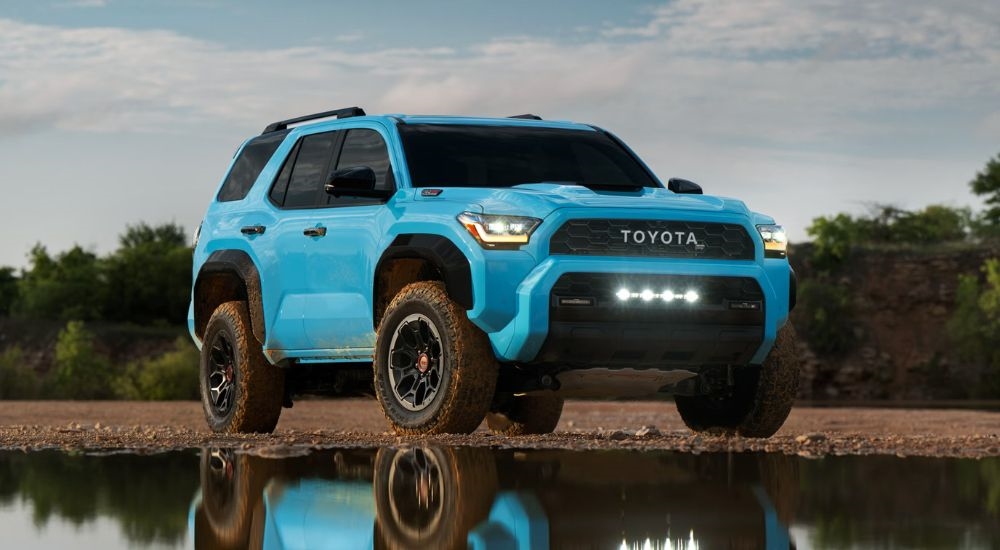
Here at Toyota of Bowling Green, we see the automotive landscape shift constantly. Toyota recently launched a structural update to its off-road vehicle line, bringing new life to a classic nameplate. If you currently drive an older model, you might question if upgrading to the 2026 Toyota 4Runner makes sense. This sixth-generation SUV introduces changes to the powertrain, the interior technology interface, and the underlying chassis architecture. We will break down exactly what makes this iteration a capable successor to the fifth-generation platform.
Bidding Farewell to the Fifth Generation
For over a decade, the fifth-generation 4Runner built a solid reputation for reliability and mechanical simplicity. It utilized a naturally aspirated 4.0L V6 engine paired with a five-speed automatic transmission. This combination produced 270 hp and 278 lb-ft of torque, which proved effective for trail crawling. However, this older powertrain was notorious for low fuel economy and slow highway acceleration. Drivers accepted these compromises to gain a dependable engine that easily surpassed the 200,000-mile mark with routine maintenance.
The cabin featured oversized rotary dials, hard plastics, and a straightforward layout designed for muddy boots and dirty hands. Toyota prioritized long-term durability over aesthetics, creating an interior environment that withstood years of use. While this approach won a loyal fanbase, the lack of current technology eventually began to show its age. Competitors began offering advanced infotainment systems and superior fuel efficiency, prompting Toyota to rethink its engineering.
Why the TNGA-F Platform Changes Everything
The structural foundation of this new SUV rests on the TNGA-F truck platform. This architecture increases the overall rigidity of the steel chassis, resulting in better handling on paved roads and reduced body roll in sharp corners. The vehicle feels incredibly stable and firmly planted, providing a stark contrast to the older model's truck-like ride.
This platform introduces major upgrades to the integrated safety technology suite. Toyota Safety Sense 3.0 comes standard across all trim levels, providing a wide range of active driver assists. Features like radar cruise control, lane tracing assist, and automatic high beams take the physical stress out of highway driving. The proactive driver-assistance subtly applies braking and steering inputs to help drivers navigate tight curves safely. These features make the new generation a much safer option for active families and daily commuters.
Powertrain Changes
Toyota shifted its engineering philosophy for the sixth-generation 4Runner by abandoning the V6 engine. The new standard powertrain features a turbocharged 2.4L I-4 engine known as the i-FORCE. This setup delivers 278 hp and 317 lb-ft of torque, outperforming the old V6 in both categories. Power routes through an eight-speed automatic transmission that delivers smoother, faster gear shifts. Drivers of the old 4Runner will immediately notice a more responsive throttle pedal and better acceleration on the highway.
You also benefit from vastly improved fuel economy ratings, with the standard i-FORCE engine achieving up to an EPA-estimated 20 MPG in the city and 26 MPG on the highway on 2WD models. This is a significant jump from the fifth generation's outdated rating of 16 MPG in the city and 19 MPG on the highway. The standard i-FORCE engine strikes a perfect balance between everyday street usability and weekend trail capability.
Upgrading to the new generation also drastically improves your ability to haul heavy equipment, with a maximum towing capacity of up to 6,000 lbs. This represents a significant 1,000-lb jump over the outgoing V6 model's 5,000-lb limit. The increased torque output means the engine works less hard when pulling boats or travel trailers up steep inclines.
Hybrid i-FORCE MAX
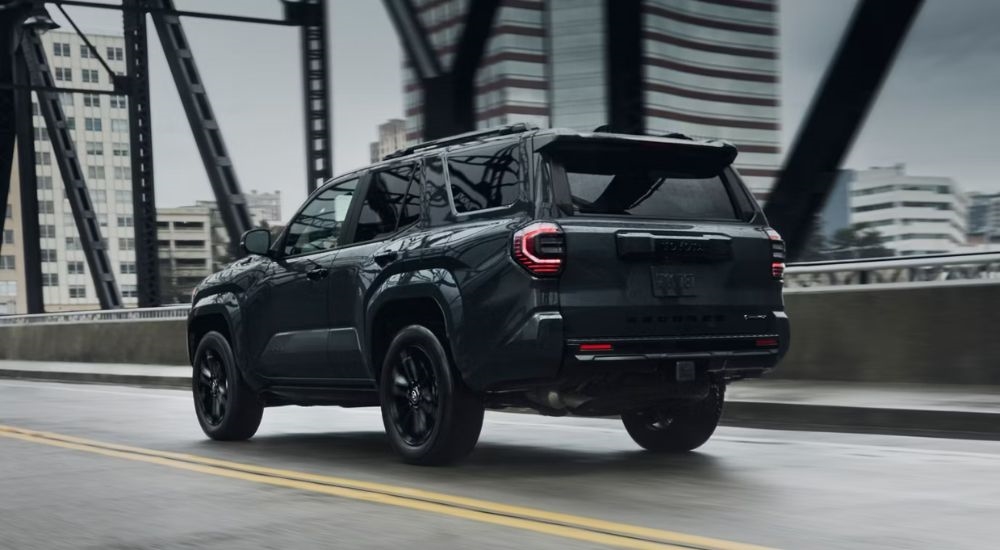
For buyers craving maximum performance, Toyota engineered the i-FORCE MAX hybrid powertrain. This advanced system pairs the turbocharged 2.4L engine with an electric motor, producing 326 hp and 465 lb-ft of torque. This massive increase in low-end torque transforms how the vehicle tows trailers and climbs steep rock faces.
The i-FORCE MAX powertrain proves that hybrid technology can elevate off-road performance to new heights. The electric assist provides instant torque at a crawl, which proves incredibly useful for technical off-road driving. You can navigate tricky terrain without aggressively revving the gas engine. On the highway, this abundant extra power makes passing slow-moving vehicles completely effortless. This hybrid setup delivers an EPA-estimated 23 MPG in the city and 24 MPG on the highway.
Exterior Styling and Dimensional Growth
The 2026 4Runner features redesigned exterior body panels and overall shape. Designers maintained the boxy silhouette that fans appreciate while integrating bold styling cues. The new model measures almost five inches longer and two inches wider than the fifth generation. This increased footprint gives the SUV a commanding road presence and noticeably improves interior passenger space.
Another notable exterior feature is the continuation of the iconic roll-down rear tailgate window. The new generation adds a convenient exterior button to quickly drop the glass and access the cargo area. The rear quarter windows also wrap seamlessly into the roofline, paying direct homage to the classic first-generation design. These exterior touches honor historic heritage while embracing contemporary automotive styling.
A Modernized Cabin Experience
The sixth-generation 4Runner also reveals a completely new interior environment. The utilitarian design of the past gives way to a high-tech cabin focused heavily on driver convenience. Base models feature an eight-inch touchscreen, while higher trims boast a massive 14-inch multimedia display panel. A new digital instrument cluster replaces traditional analog gauges, presenting customizable vehicle information directly behind the steering wheel.
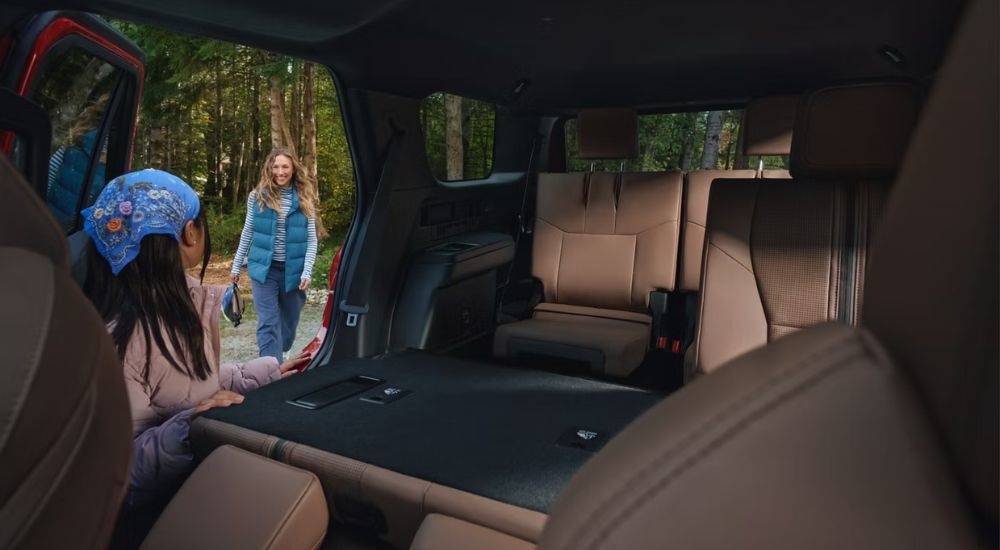
Toyota also upgraded the touch materials and seating ergonomics throughout the entire cabin. You will find premium textures, all-weather floor mats, and supportive seats designed specifically for long road trips. The new model introduces smart storage solutions, including functional MOLLE panels on the center console and doors. A wireless charging pad and multiple USB-C ports keep all your devices fully powered during extended wilderness adventures. Some trims even include a removable JBL Bluetooth speaker seamlessly integrated into the dashboard.
The Trim Lineup
Toyota offers an extensive range of trim levels to suit different budgets and driving preferences. The lineup starts with the SR5, which offers a robust set of standard features at an accessible price point. The TRD Sport focuses heavily on street-oriented performance, featuring a sport-tuned suspension and unique exterior styling elements. For luxury seekers, the Limited and Platinum trims provide premium leather seating, heated elements, and top-tier JBL audio systems. The brand-new Platinum trim introduces a level of high-end refinement previously unseen in this model lineage.
Off-Road Options
Off-road purists have multiple options in the new lineup. The TRD Off-Road trim includes essential trail hardware, including a locking rear differential and dedicated off-road driving modes. Stepping up to the TRD Pro adds high-performance Fox shocks and bold exterior branding for high-speed desert running. This wide variety makes it simple to find a model that aligns with your specific needs.
The addition of the Trailhunter trim level takes factory off-road capability to a completely new level. This specialized package includes ARB suspension components, heavy-duty rock sliders, and high-strength steel skid plates right from the dealership. You also get an integrated air compressor and a high-mount air intake duct for water crossings. These factory-installed upgrades save off-road enthusiasts the hassle of sourcing aftermarket parts immediately after purchasing the vehicle. The entire lineup offers a diverse range of configurations for absolutely every type of outdoor adventurer.
Making the Final Decision on Your Upgrade
The outgoing fifth-generation 4Runner remains a beloved, reliable workhorse with a dedicated following. However, the 2026 4Runner takes a large leap forward in raw power, fuel efficiency, and everyday drivability. The massive increase in torque from the i-FORCE MAX alone justifies the upgrade for anyone who regularly tows gear. The integration of updated safety technology and infotainment systems is another deciding factor for many buyers.
While saying goodbye to the old V6 might feel bittersweet, the new powertrains deliver an undeniably better driving experience. Ultimately, the 2026 Toyota 4Runner successfully honors its legendary past while fully embracing the future of off-road adventure.